

Famous Landmarks in Jamaica and Why They Matter

Holiday Jamaica
11 Feb 2026
Jamaica is known worldwide for its breathtaking landscapes, vibrant culture, and rich history. Across the island, several landmarks stand out not only for their beauty but also for their cultural, historical, and environmental significance. From dramatic cliffs and cascading waterfalls to historical relics and scenic roadways, these attractions help tell Jamaica’s story and offer unforgettable experiences for visitors. Below are some of the most famous landmarks in Jamaica and why they continue to matter.
Rick’s Café – Negril’s Iconic Cliffside Experience
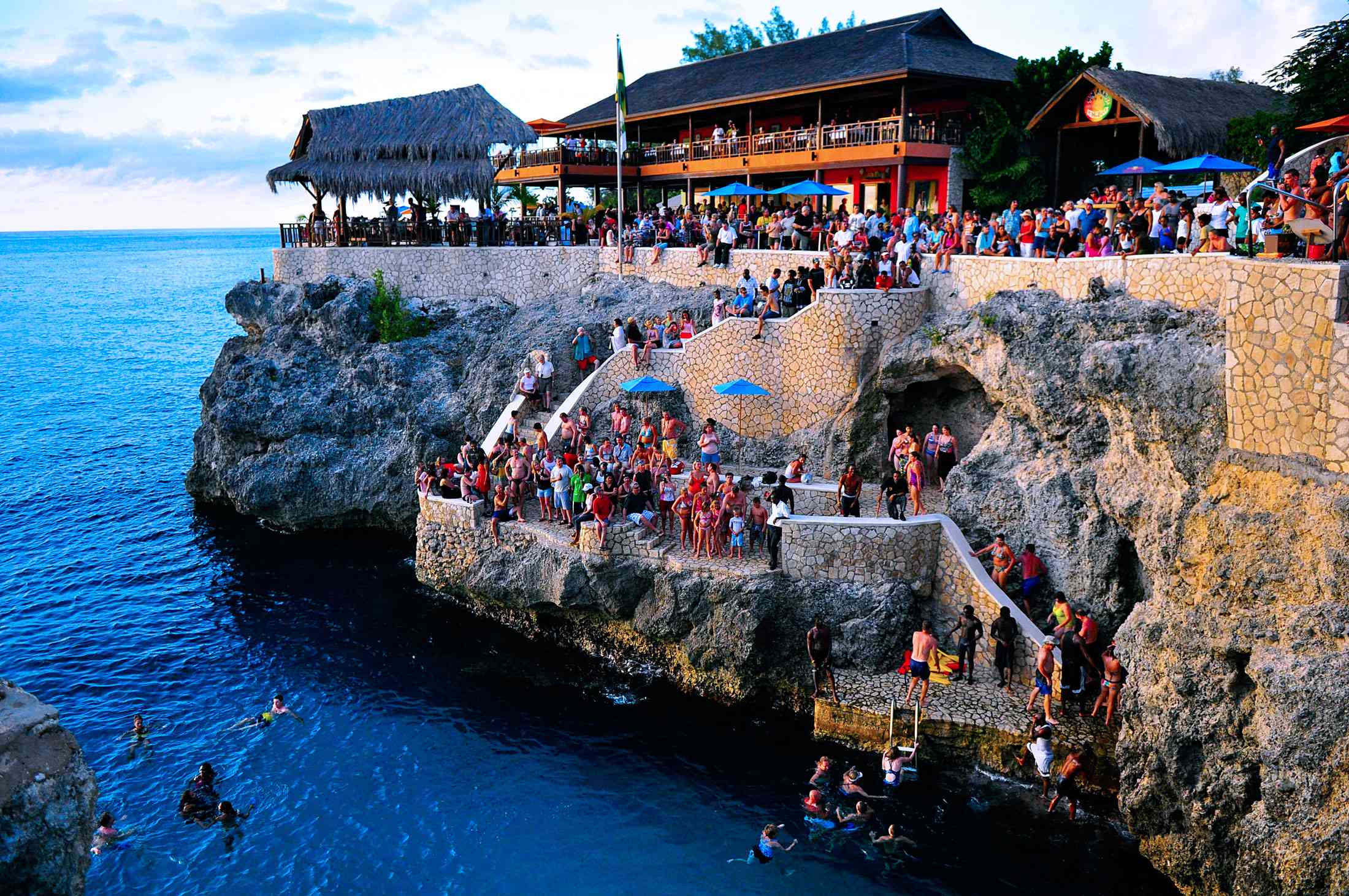
Rick’s Café, located on the stunning cliffs of Negril’s West End, is one of Jamaica’s most recognizable tourist attractions. Established in 1974, it was the first public bar and restaurant built along Negril’s dramatic cliffs. Today, it is famous for its breathtaking sunset views and thrilling cliff diving.
Visitors flock to Rick’s Café to watch experienced divers plunge from heights into the clear Caribbean Sea or to enjoy the lively atmosphere filled with music, food, and drinks. The landmark represents Jamaica’s relaxed yet adventurous tourism culture. Its sunset views are considered among the best in the Caribbean, making it a must-visit location for both first-time and returning travelers.
YS Falls – A Natural Treasure of the South Coast
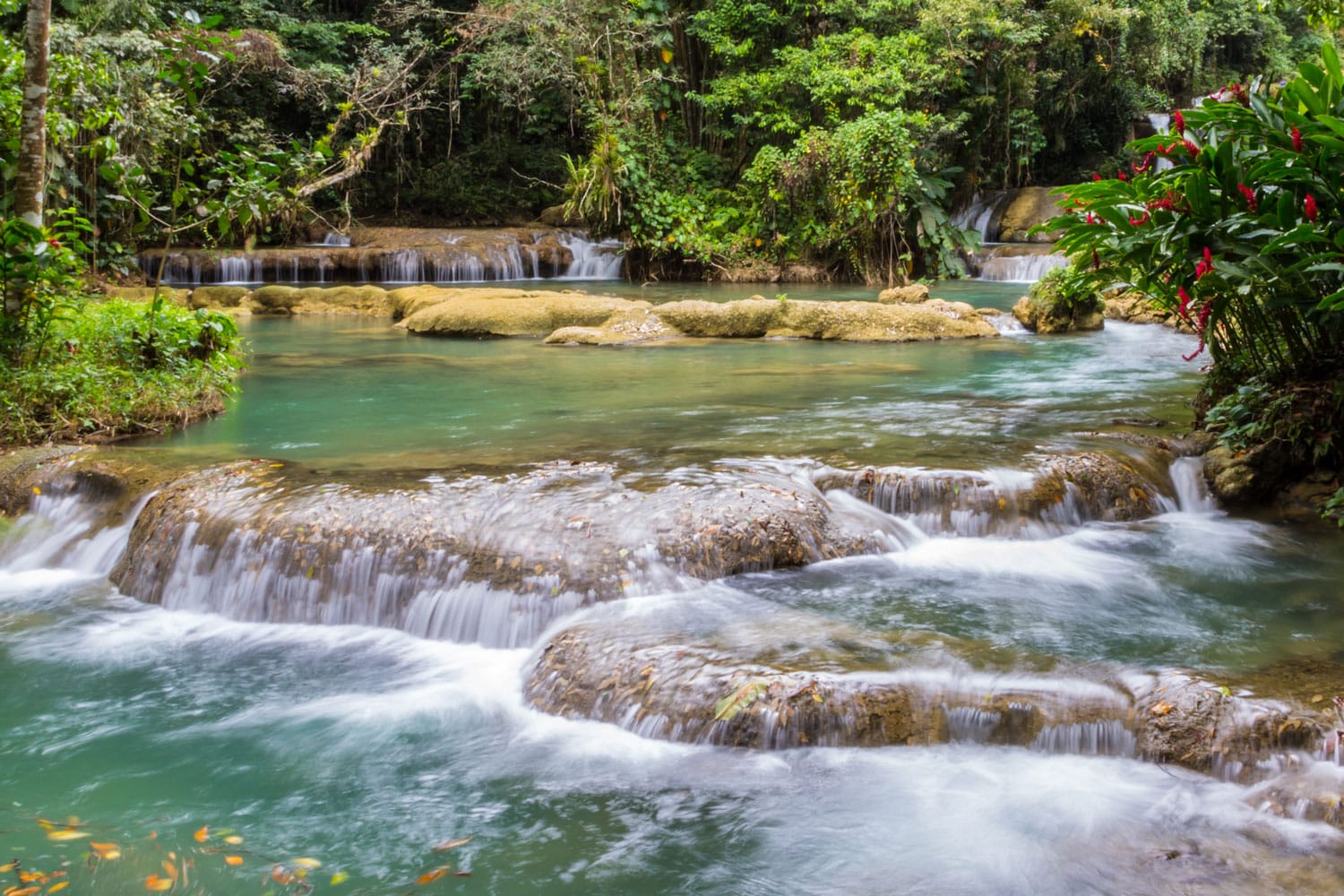
Located in St. Elizabeth, YS Falls is one of Jamaica’s most beautiful and serene natural attractions. The waterfall features seven cascading tiers surrounded by lush gardens and tropical greenery. Unlike some of Jamaica’s more crowded waterfalls, YS Falls offers a tranquil and immersive nature experience.
Visitors can enjoy ziplining across the falls, swimming in natural pools, or relaxing while taking in the surrounding scenery. YS Falls plays an important role in eco-tourism by showcasing Jamaica’s natural beauty while promoting conservation and sustainable tourism practices. The attraction highlights the island’s diverse landscapes beyond beaches and resorts.
Holland Bamboo Avenue – Jamaica’s Scenic Natural Corridor
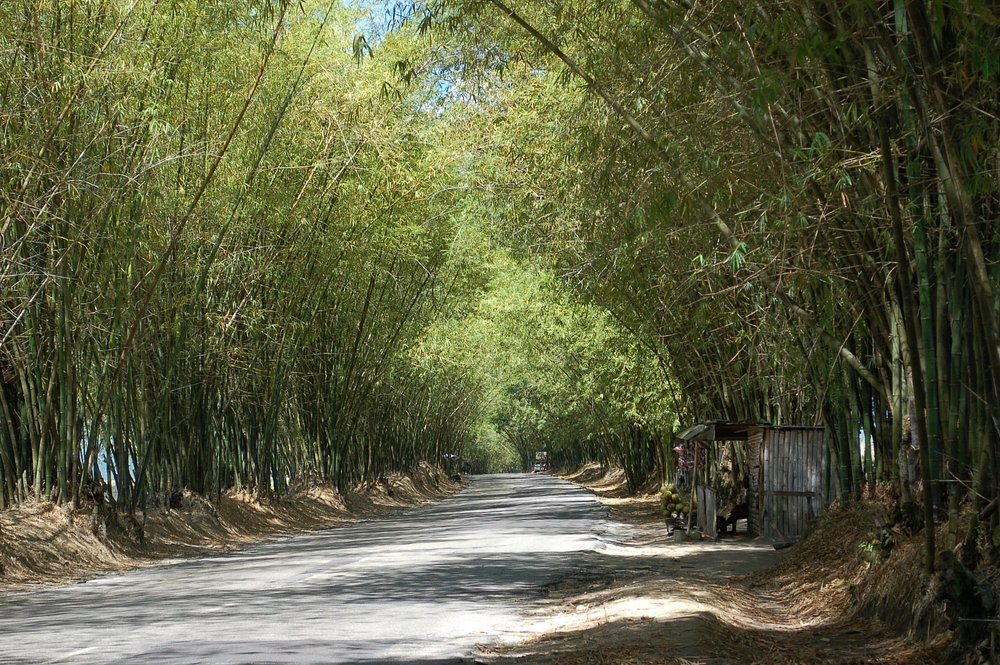
Holland Bamboo Avenue, located in St. Elizabeth, is a picturesque roadway lined with towering bamboo plants that create a natural archway over the road. The avenue stretches for approximately 2.5 miles and is one of Jamaica’s most photographed scenic routes.
Originally planted in the 18th century to provide shade for travelers and protect roadways, the bamboo corridor now serves as a symbol of Jamaica’s natural beauty and agricultural history. Visitors often stop to capture photos, enjoy local vendors, or simply experience the peaceful atmosphere. Holland Bamboo Avenue highlights Jamaica’s rural charm and connection to nature.
🇯🇲 National Heroes Park – Honoring Jamaica’s Leaders
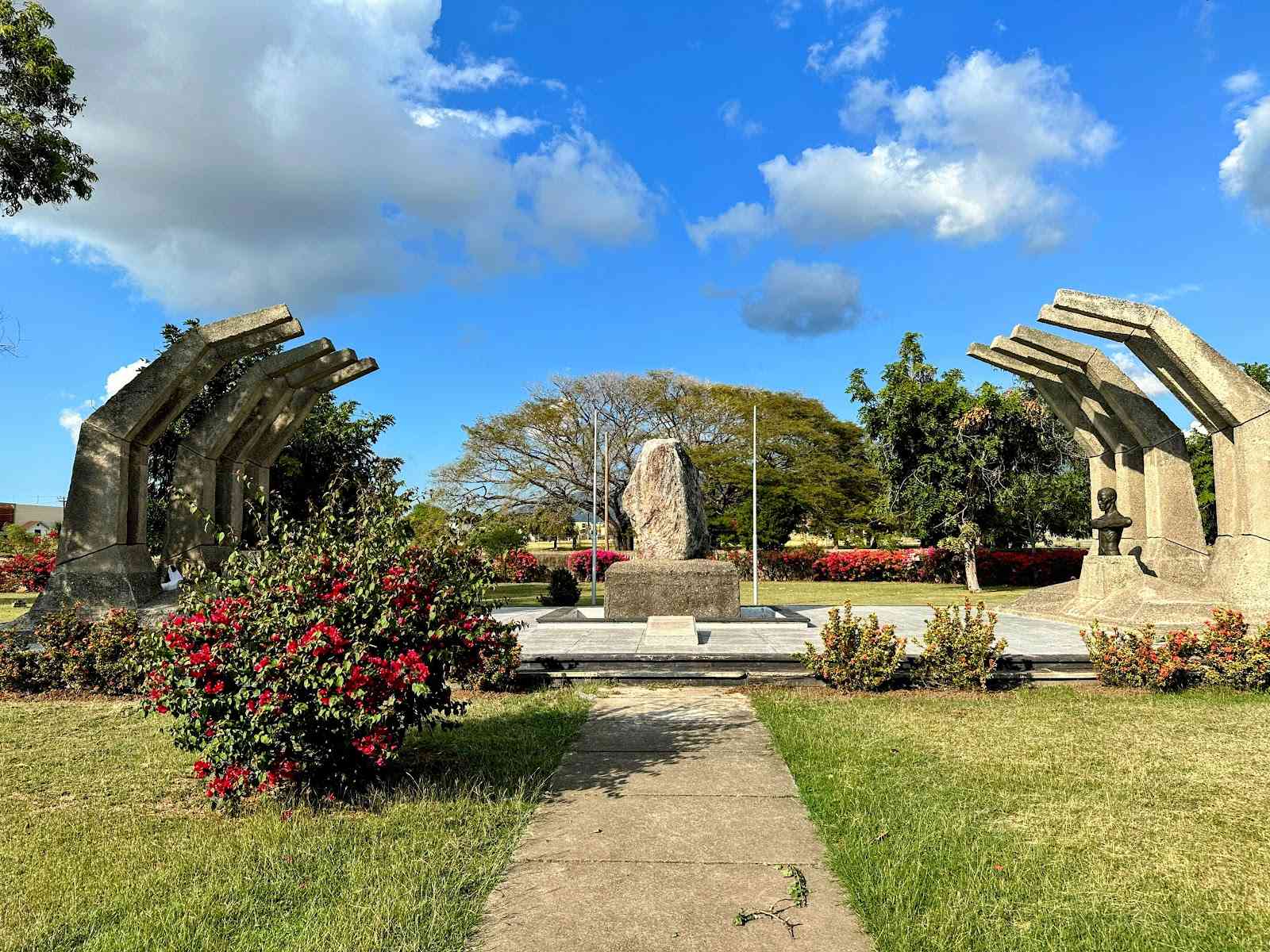
National Heroes Park in Kingston is dedicated to Jamaica’s National Heroes and influential leaders who contributed to the country’s independence and development. The park features monuments and memorials celebrating individuals who shaped Jamaica’s history.
This landmark represents national pride and preserves the legacy of Jamaica’s heroes, offering visitors an educational and cultural experience.
🌊 Dunn’s River Falls – A Natural Wonder of Jamaica
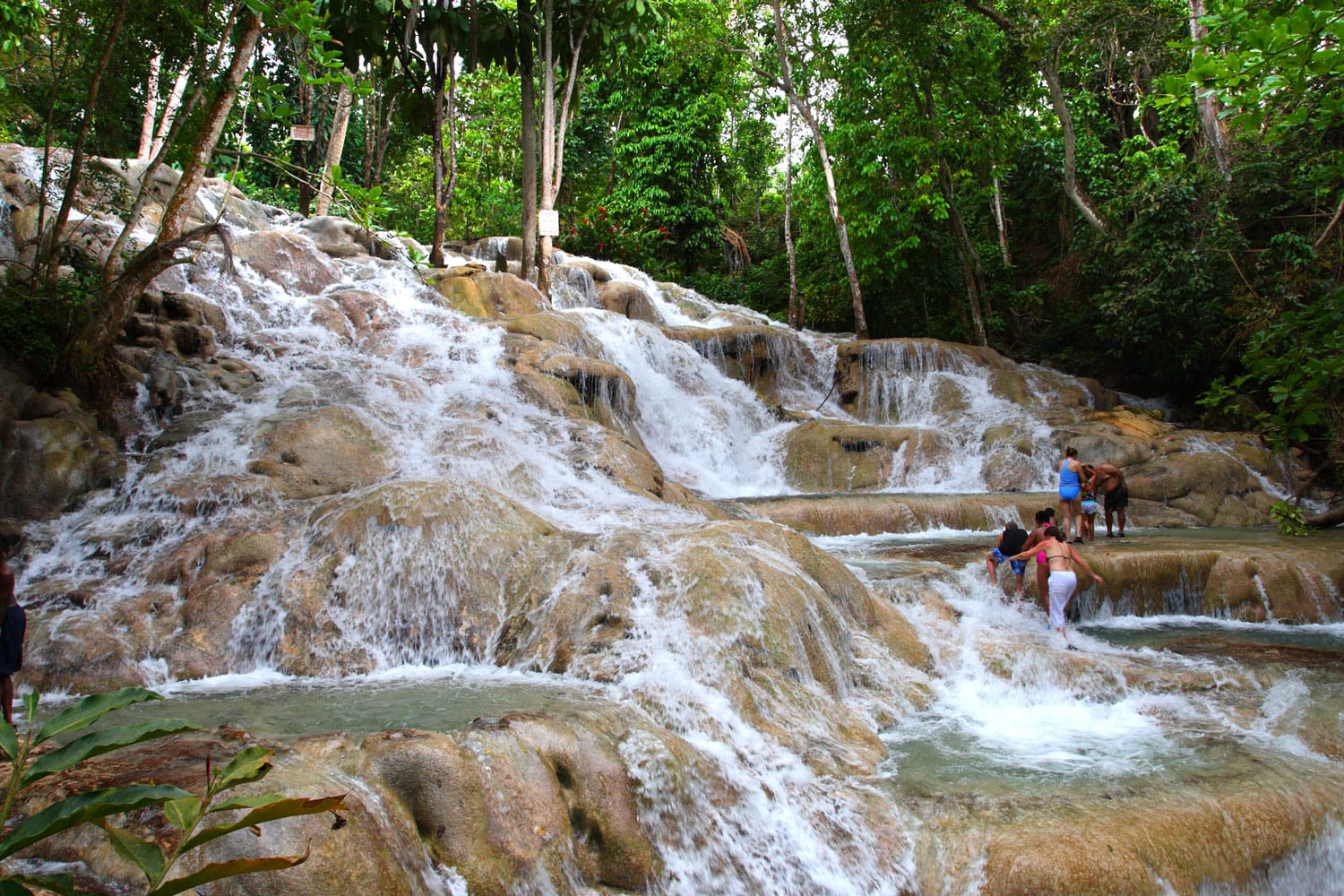
Dunn’s River Falls in Ocho Rios is one of Jamaica’s most recognizable natural landmarks. This stunning waterfall cascades down natural limestone terraces before flowing directly into the Caribbean Sea. Visitors can climb the falls, enjoy refreshing pools, and relax on the nearby beach.
Dunn’s River Falls represents Jamaica’s natural beauty and is one of the island’s most visited attractions. It showcases the country’s rich eco-tourism appeal and highlights the importance of preserving Jamaica’s natural environment.
🏛 Rose Hall Great House – A Symbol of Colonial History
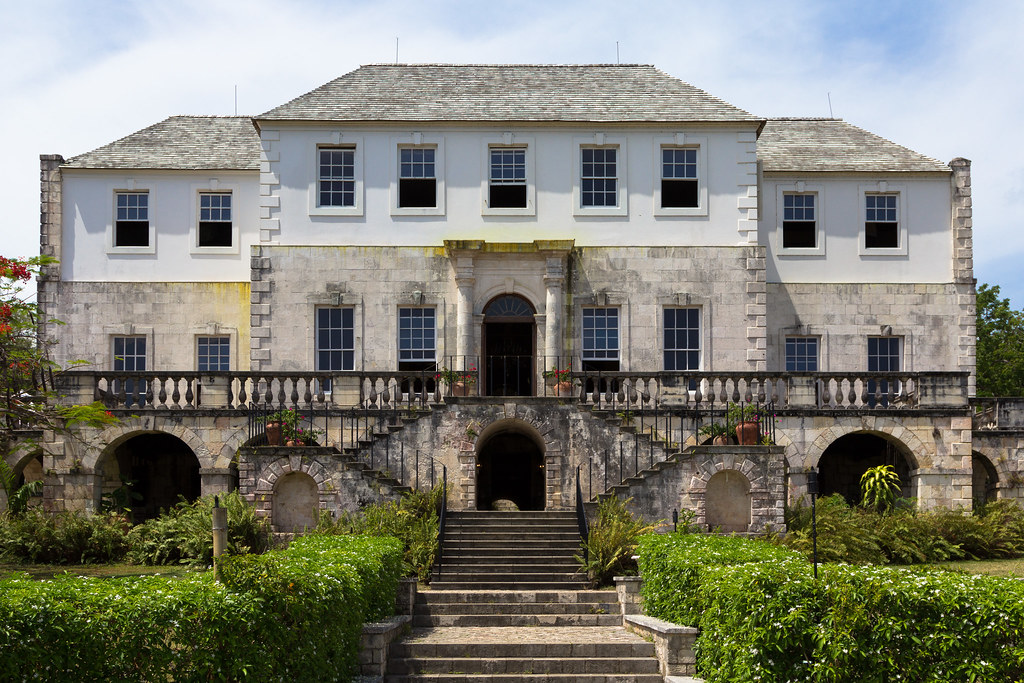
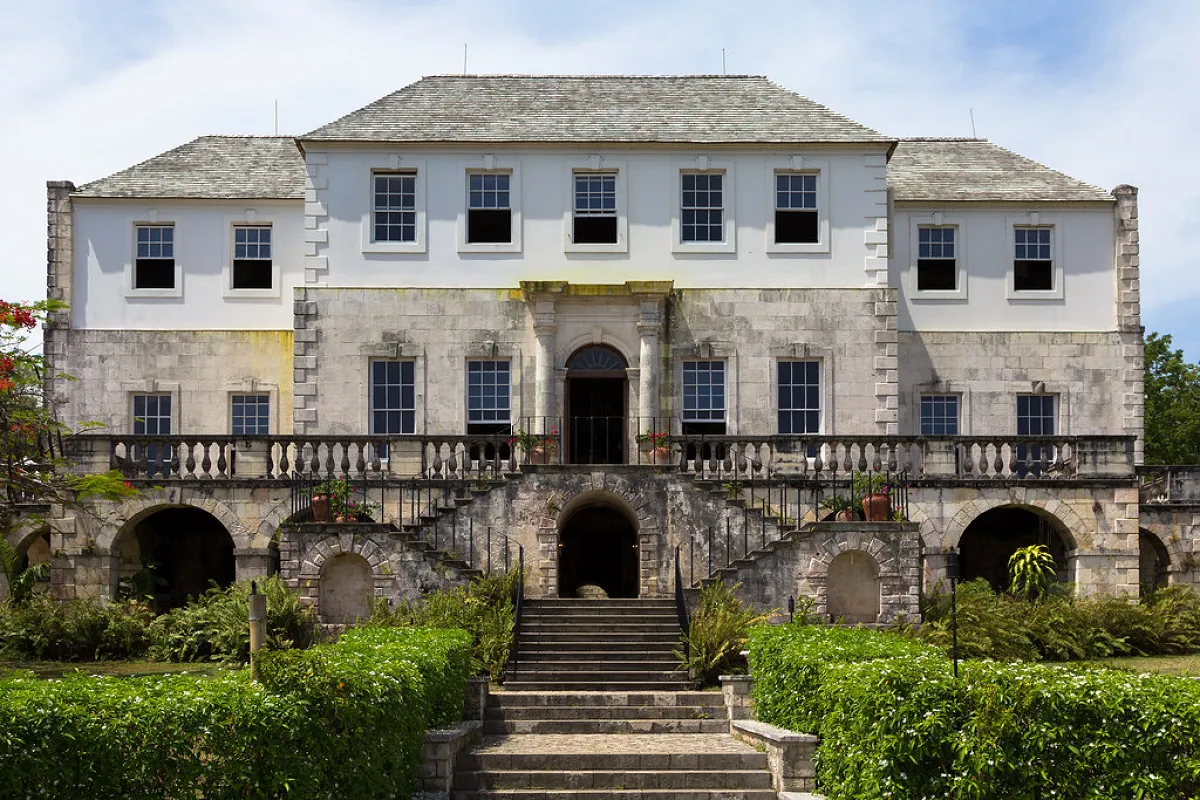
Located in Montego Bay, the Rose Hall Great House is one of Jamaica’s most famous historic landmarks. Built in the 18th century, the mansion is known for its Georgian architecture and the legendary story of Annie Palmer, often referred to as the “White Witch of Rose Hall.”
Rose Hall Great House provides insight into Jamaica’s plantation era and colonial history. The site helps preserve historical stories and offers educational tours that allow visitors to learn about the island’s past.
🎶 Bob Marley Museum – Celebrating a Global Icon
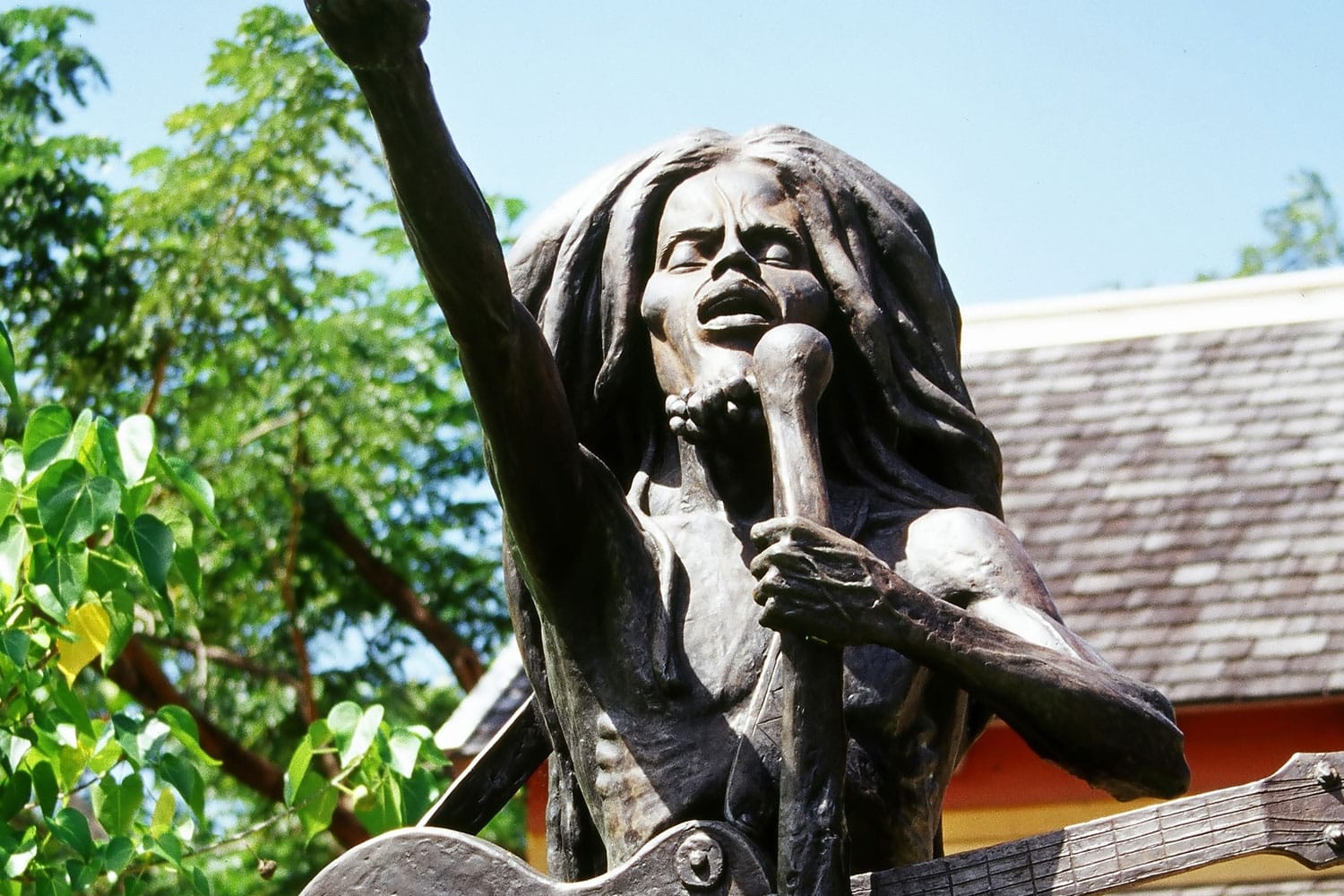
Situated in Kingston, the Bob Marley Museum was once the home of reggae legend Bob Marley. Today, it serves as a cultural landmark where visitors can explore Marley’s life, music, and global influence.
Bob Marley played a major role in introducing reggae music and Jamaican culture to the world. The museum celebrates Jamaica’s musical heritage and showcases the country’s global cultural impact.
⚓ Port Royal – The Legendary Pirate City
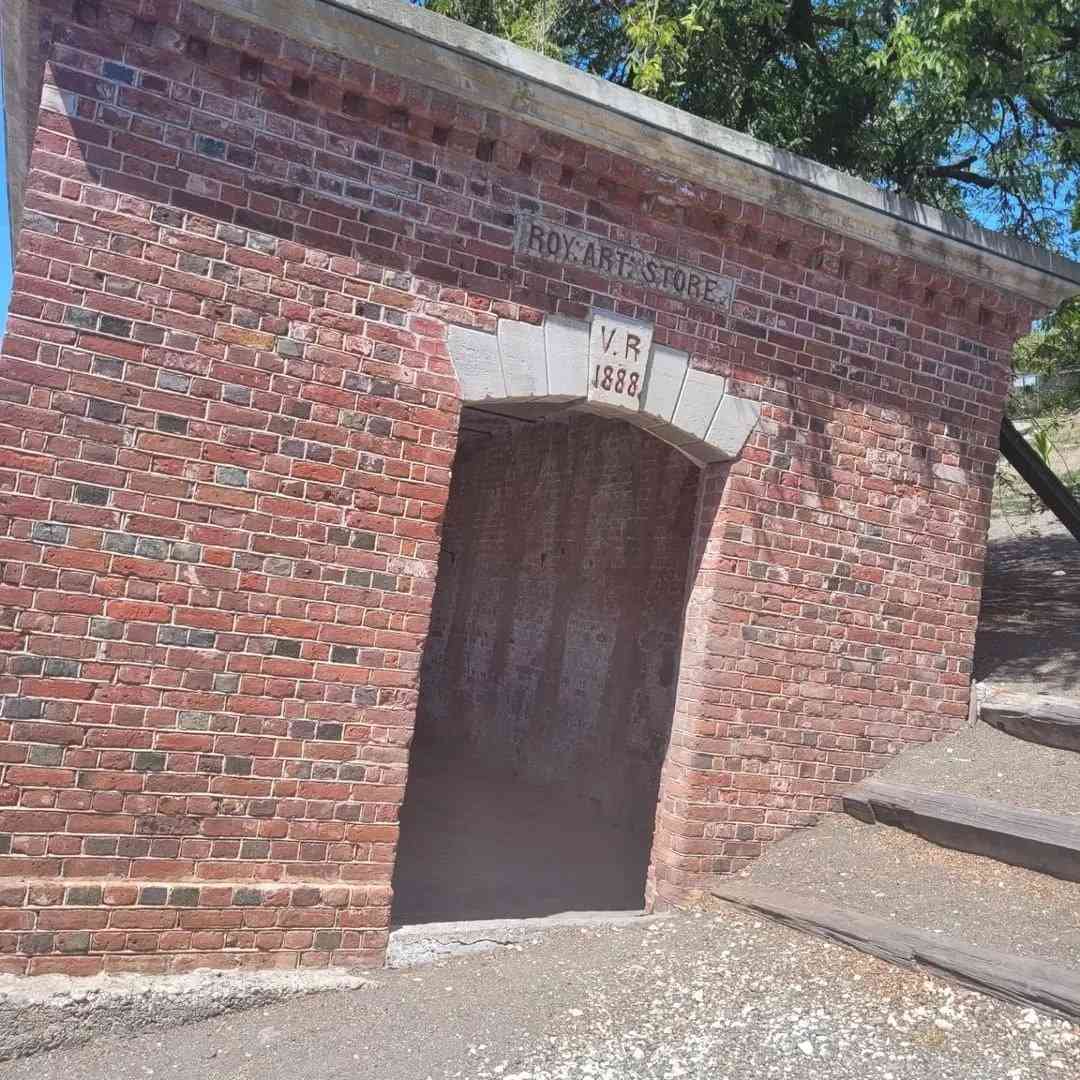
Once known as the “wickedest city on earth,” Port Royal was a thriving pirate hub during the 17th century. Located near Kingston Harbour, this historic town features ruins, forts, and museums that tell the story of pirates, naval battles, and the devastating earthquake of 1692.
Port Royal highlights Jamaica’s maritime history and its role in Caribbean trade and naval warfare. It remains one of the most important historical sites on the island.
Giddy House – A Tilted Reminder of Jamaica’s Earthquake History
The Giddy House, located in Port Royal, is one of Jamaica’s most unusual historical landmarks. The structure was originally built as a Royal Artillery Store in 1880 but was partially sunk and tilted during the devastating Kingston earthquake of 1907.
Today, the building remains leaning at an angle, giving visitors the sensation of losing balance when walking inside. The Giddy House serves as a physical reminder of Jamaica’s seismic history and the once-thriving pirate city of Port Royal, which was known as one of the wealthiest and most infamous cities in the Caribbean during the 17th century. It stands as a symbol of resilience and historical preservation.
🏞 Blue Mountains – Jamaica’s Scenic Treasure
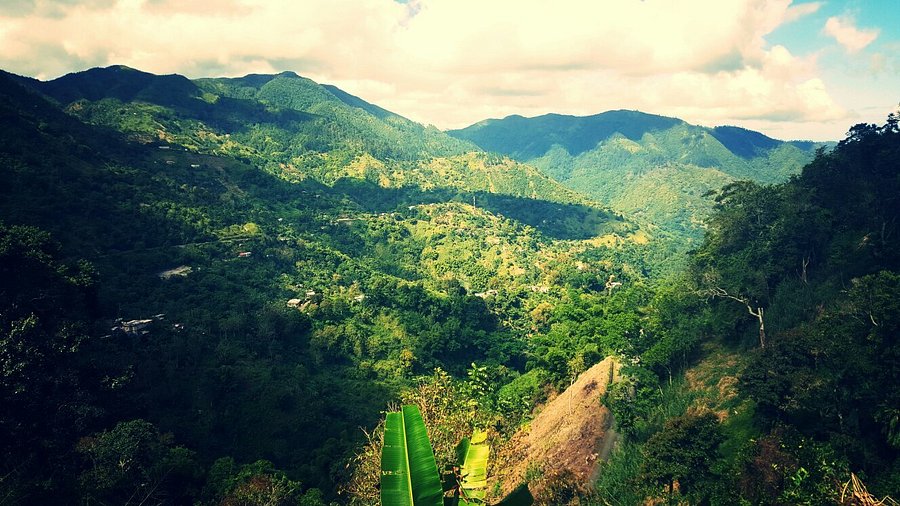
The Blue Mountains are famous for their breathtaking scenery, cool climate, and world-renowned Blue Mountain coffee. Visitors can hike scenic trails, explore coffee farms, and enjoy panoramic views of the island.
The Blue Mountains represent Jamaica’s natural diversity and agricultural heritage. The region supports eco-tourism and is internationally recognized for producing some of the best coffee in the world.
Why These Landmarks Matter to Jamaica
These landmarks are more than just tourist attractions — they represent Jamaica’s identity and heritage. Rick’s Café showcases the island’s lively tourism and entertainment culture. YS Falls highlights the country’s natural ecosystems and commitment to sustainable tourism. The Giddy House preserves important historical lessons about Jamaica’s past, while Holland Bamboo Avenue reflects the island’s natural beauty and agricultural legacy.
Together, these sites offer visitors a deeper understanding of Jamaica’s culture, environment, and history, making them essential stops for anyone exploring the island.
Gallery









Search
Categories
Accomodations
(1)
Activity
(28)
Arcade
(6)
Entertainment
(7)
Experiences
(19)
Food
(12)
History & Heritage
(25)
Lifestyle
(19)
Park
(6)
Restaurant
(13)
Rivers
(17)
Travel
(15)
Related Posts

Holiday Ja...
30 Jan 2026

Holiday Ja...
31 Jan 2026

Holiday Ja...
09 Feb 2026